
Rigorous science, led by the people who live with wildlife.
We train and employ the communities on the borders of Uganda's national parks to count, track and protect the country's threatened wildlife.
Local science on the frontlines
People living on park boundaries often bear the cost of living with wildlife: crop loss, livestock lost to predators, and daily exposure to conflict.
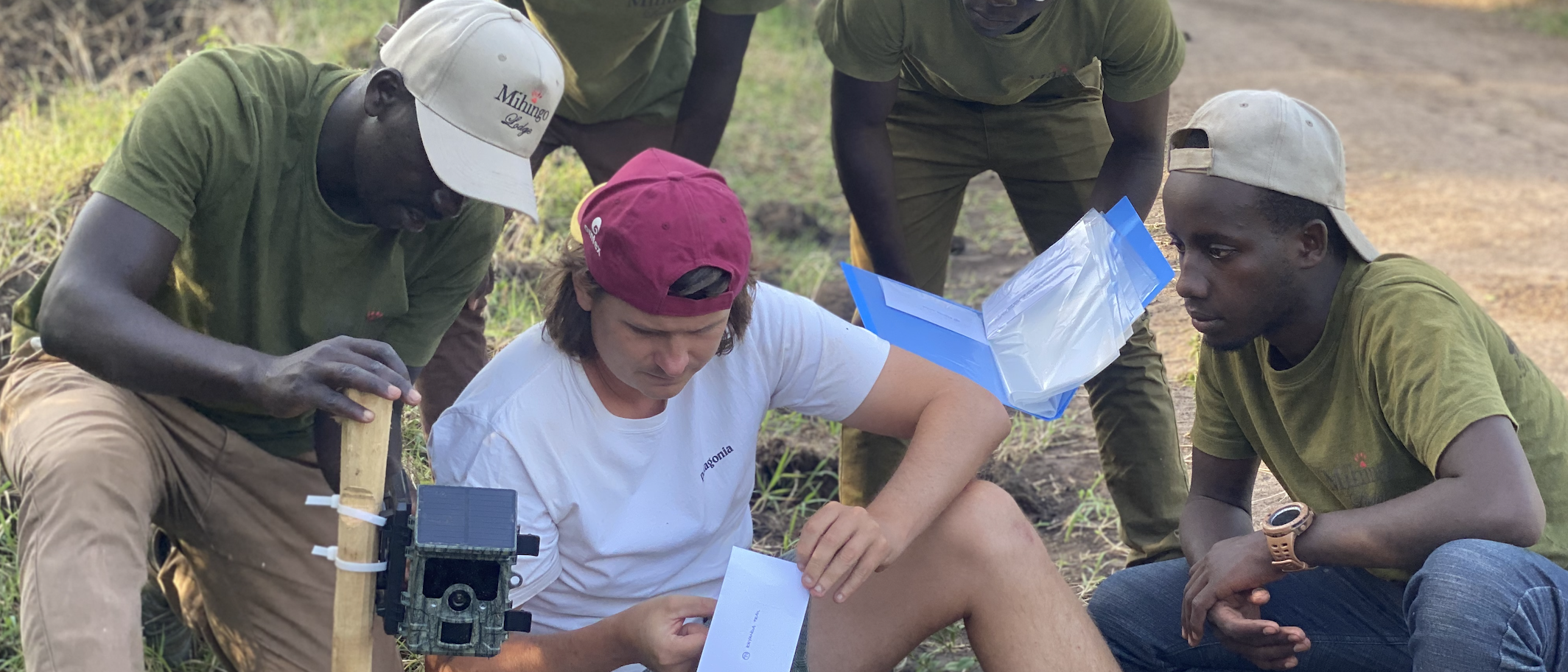
Frontline trains and employs local people through the SCOUT model to become community scientists who monitor wildlife and generate evidence for management.
Data in hand. Jobs where they are needed most.
See our work









The SCOUT model
Supporting Communities to Observe, Understand and Track wildlife.
Community scouts are already the people on the ground in African conservation. SCOUT gives them the science: a four-step model that turns long-term wildlife monitoring, the piece most often missing from conservation, into local livelihoods and local expertise.
- 1Expose
- 2Train and employ
- 3Elevate
- 4Deliver
A track record of impact
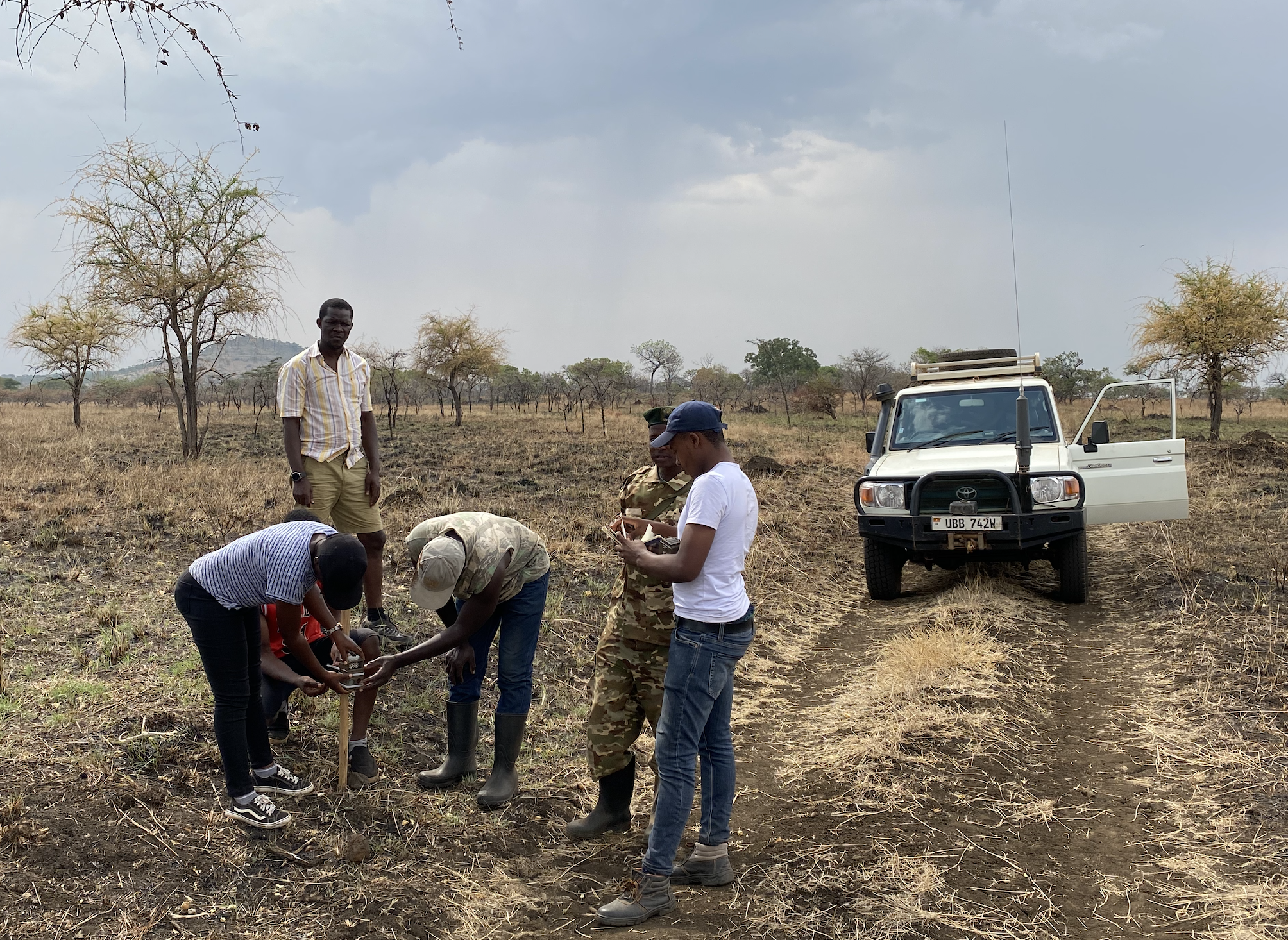
A community-led national survey of carnivores
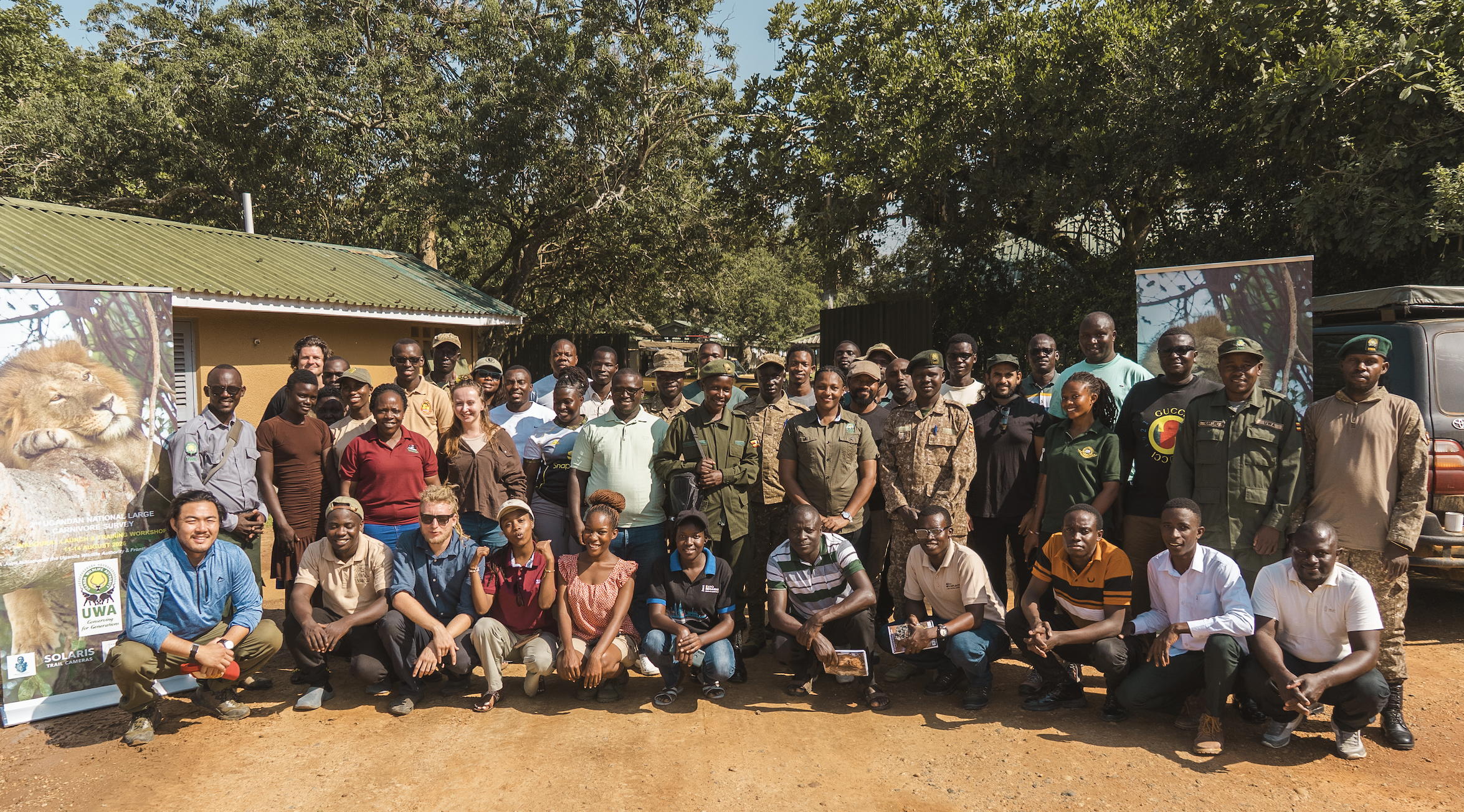
In 2022 we united more than 100 community members across 20 organisations to establish how lions, leopards and hyenas were faring in Uganda's most critical conservation areas.
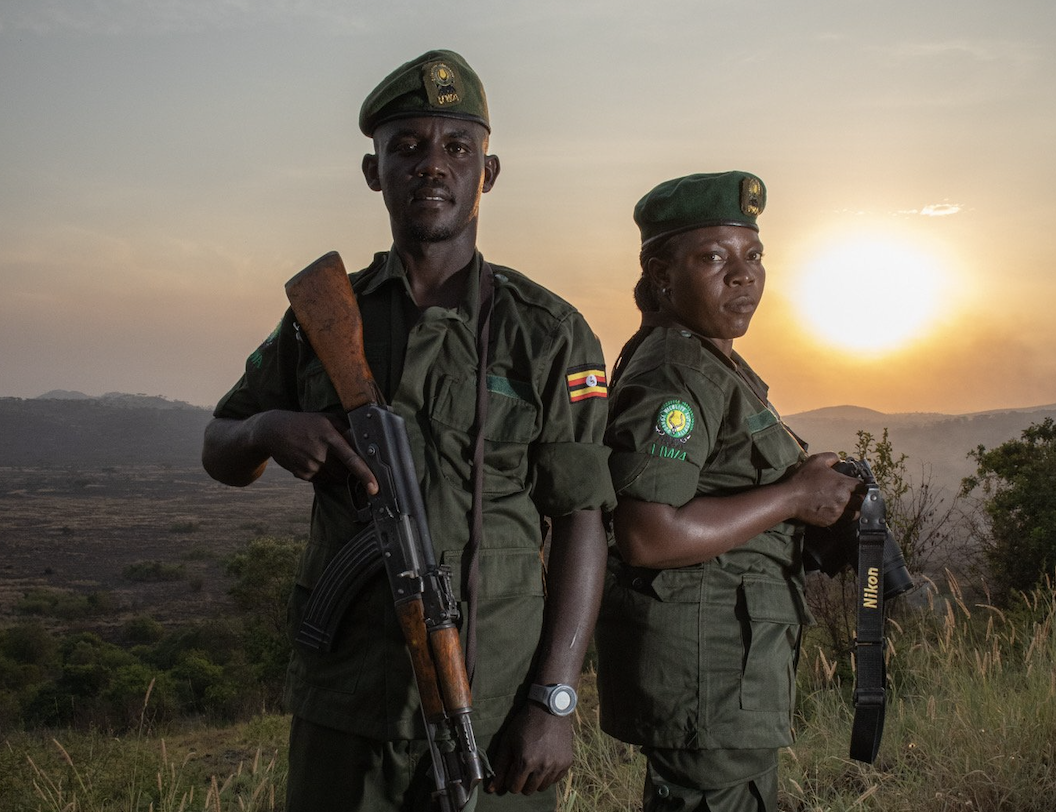
Training government rangers to monitor wildlife
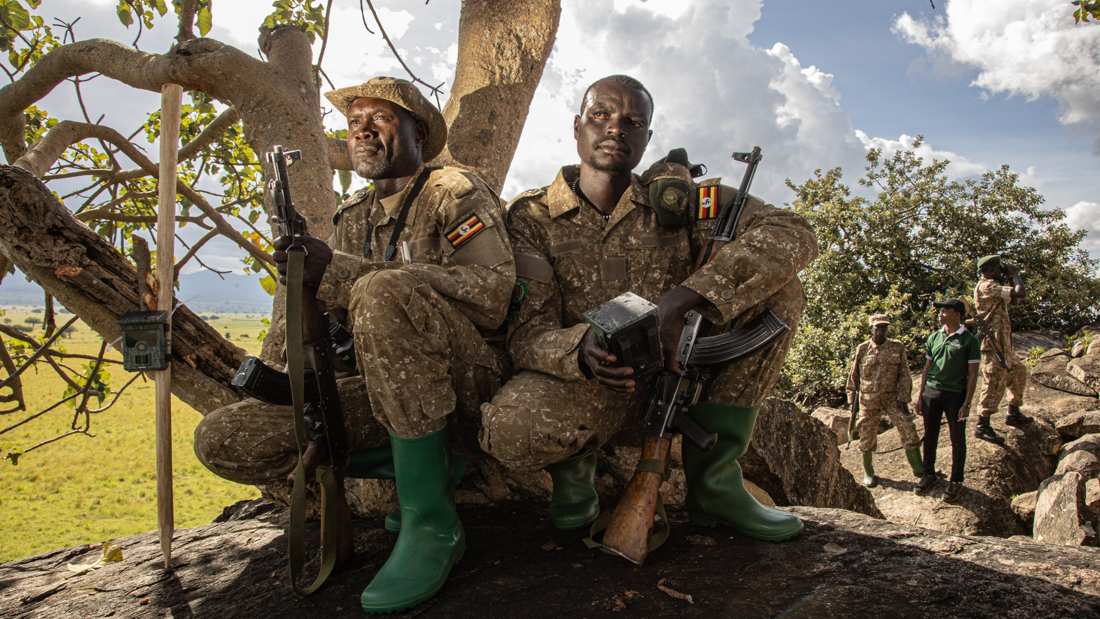
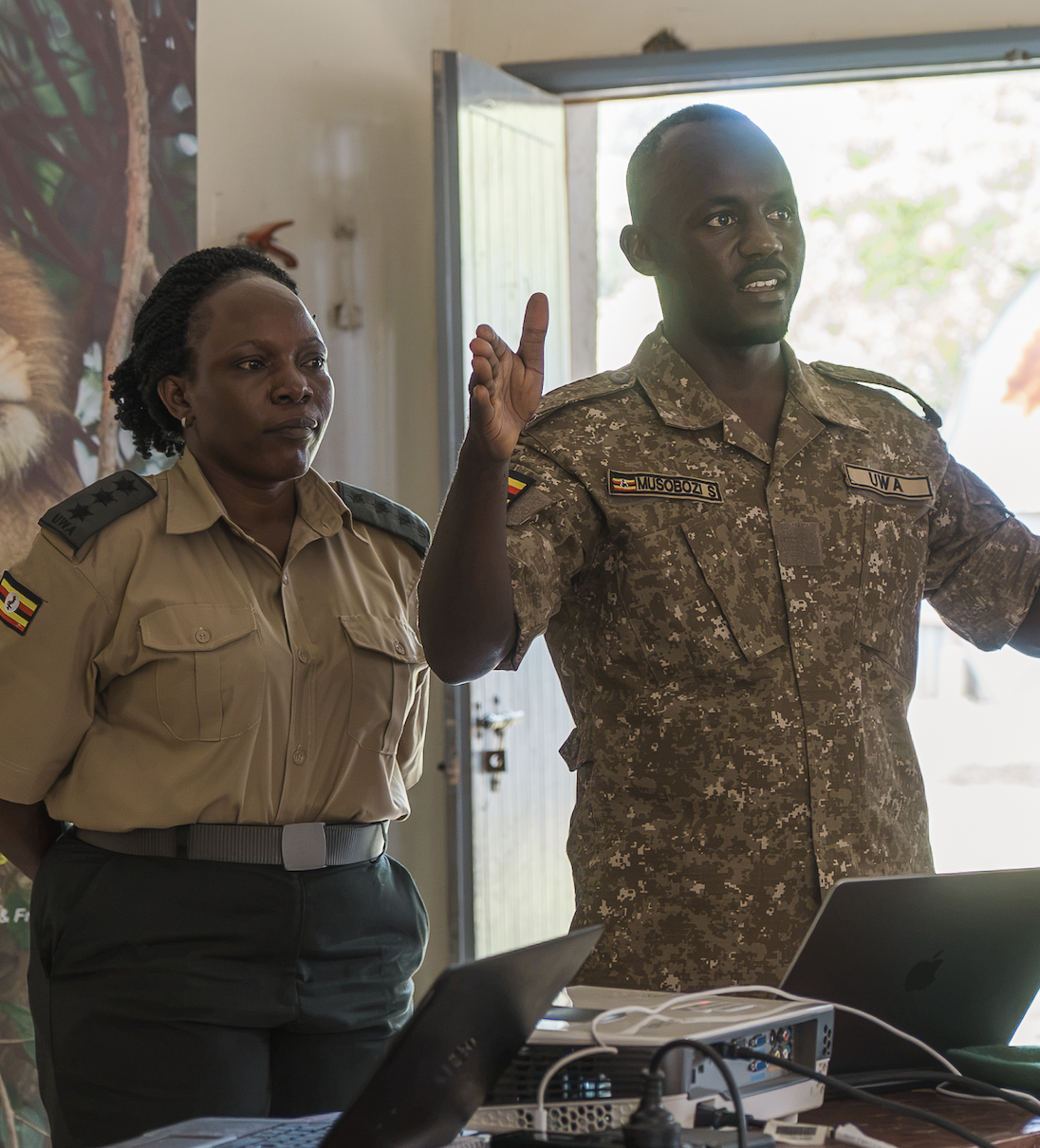
In 2022 we built a ranger-based lion monitoring program in Murchison Falls' Nile Delta. Those rangers now lead survey teams on the second national survey.
Shaping Uganda's national carnivore policy
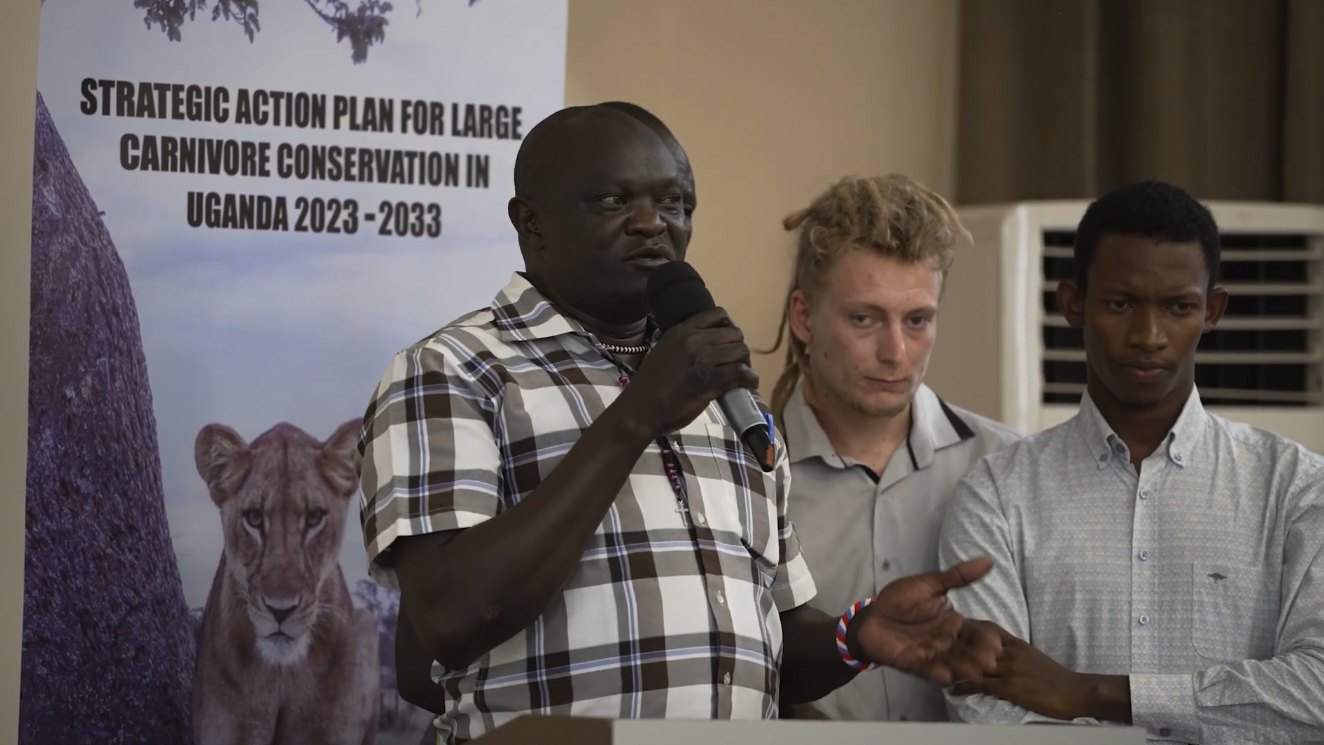
Our estimates underpin the Strategic Action Plan for Large Carnivore Conservation 2024 to 2034, launched by the Minister of Tourism, Wildlife and Antiquities.
The Kyambura Lion Project: Frontline's DNA
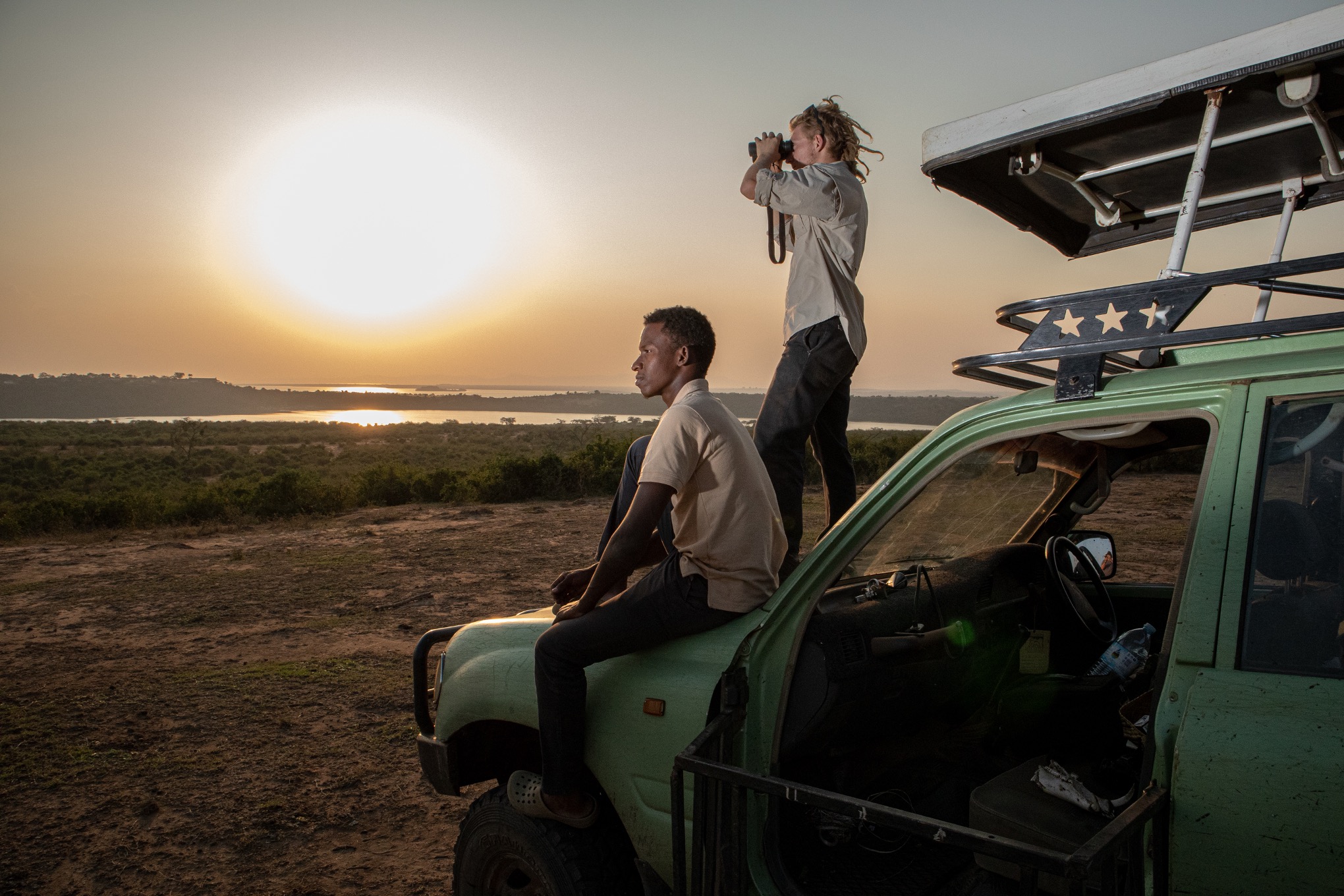
An initiative of the Volcanoes Safaris Partnership Trust, this permanent lion monitoring facility in Queen Elizabeth National Park is the inspiration for Frontline and the template we use to seed projects in other parks.
A grassroots team. National policy. National impact, at 9% of the cost.
In 2022 a Ugandan-led team surveyed lions, leopards and spotted hyenas across Murchison Falls for USD 45,000. The following year one of the world's largest NGOs replicated the survey for USD 498,000.